
Beyond Pixels: Real-Time Collaboration Inside the Eyeson Omnimedia Ecosystem
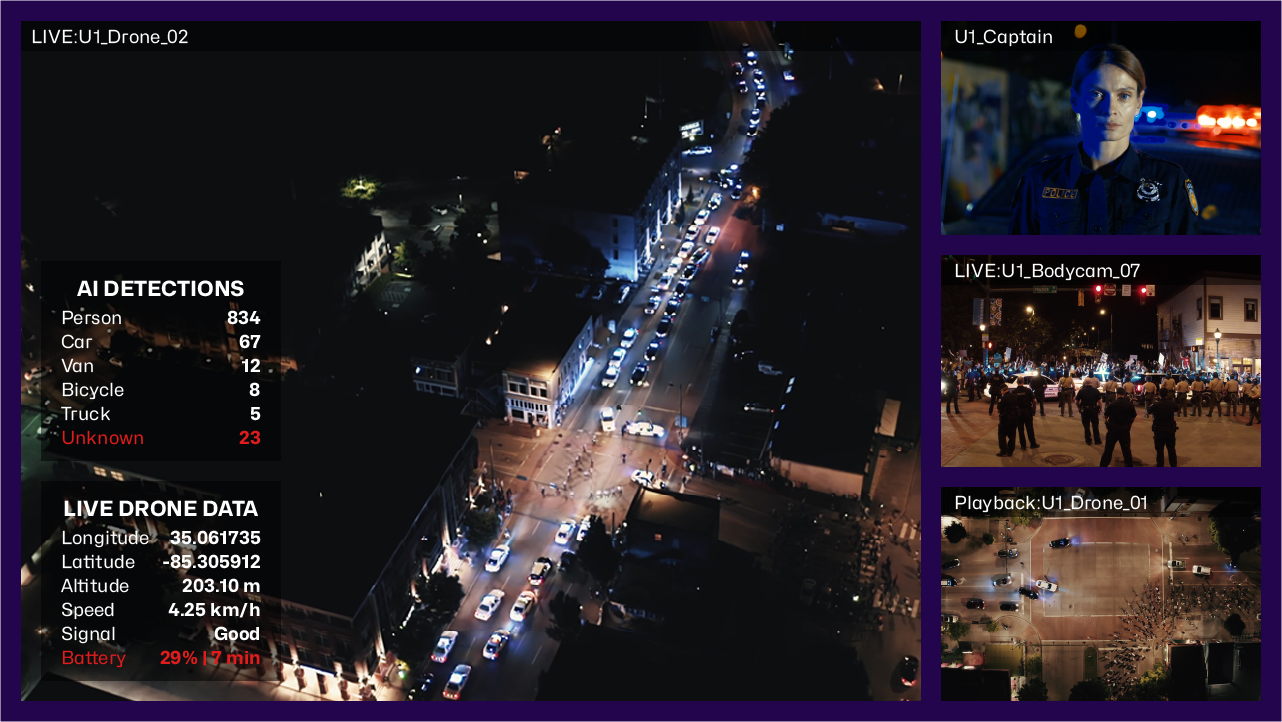
There’s a particular type of adrenaline that comes with solving problems in real time. I felt it the first time my team scrambled to communicate during an unexpected server incident—Slack pings, emails, frantic video calls, all colliding. If only we’d had one synchronized platform. That’s what Eyeson set out to solve: breaking video, data, and collaboration tools out of their silos. Today, I’m peeling back the layers of this omnimedia ecosystem to uncover how it’s quietly upending the way we work, respond, and create—often in places you wouldn’t expect.
Connecting Visual Intelligences: When Collaboration Actually Clicks
When I first encountered Eyeson One View, I realized something profound about modern collaboration. We're not just talking anymore—we're sharing a unified visual reality where every participant sees exactly what matters, when it matters.
Omnimedia Communication transforms how teams work together by merging live video, audio, and data feeds into one coherent view. Think about it: instead of juggling multiple screens, switching between apps, or trying to describe what you're seeing over a traditional video call, everyone operates from the same visual foundation.
Dynamic Multiparty Interaction in Action
Picture this scenario—drones capturing aerial footage, human operators analyzing the data, and AI systems processing information in real-time, all sharing a single digital workspace. This isn't science fiction; it's happening right now through Eyeson's real-time communication platform.
The beauty lies in the seamless integration. A drone operator in the field connects their feed directly into the same visual space where a remote expert examines technical data, while an AI system overlays critical analysis—all participants viewing identical information simultaneously.
Real-World Applications That Matter
Defense agencies coordinate complex operations using this unified approach. Public safety teams respond to emergencies with every team member seeing the same tactical picture. Remote experts contribute their knowledge without missing crucial visual context.
"Eyeson One View brings a new dimension to team decision-making—when every second, or every pixel, counts."
What strikes me most is the platform's versatility. Whether you're a freelancer collaborating with clients or a large enterprise managing critical operations, the video conferencing experience adapts to your needs. The system works equally well for non-profits coordinating relief efforts and public agencies managing emergency responses.
Getting Started Without Barriers
The accessibility impresses me too. Eyeson offers a sandbox API that's completely free for testing—no credit card required. This removes the typical friction of exploring new collaboration technology. You can experiment with integrating diverse media feeds and see how Omnimedia Communication enhances your specific use case.
The charging model makes sense: you pay only for actual meeting time, regardless of participant count. The system automatically stops billing when the last person leaves, which feels refreshingly straightforward compared to complex subscription tiers.
Research shows that Eyeson One View integrates video, audio, and data in real time for enhanced collaboration, particularly valuable in defense and emergency response scenarios where coordination can literally save lives. The platform's AI integration capabilities allow fine-tuning of latency and computing resources, ensuring optimal performance when stakes are highest.
This isn't just another video conferencing tool—it's a fundamental shift toward shared visual intelligence where human expertise, automated systems, and real-world data converge in meaningful ways.
Unify Data & Communication: From APIs to Actual Impact
The Eyeson API transforms how developers think about video communication. Instead of settling for basic video calls, you get full programmability that connects everything from live video sources to drones, AI overlays, and real-time data streams. It's not just another Video Call API—it's a complete toolkit for building integrated communication experiences.Programming Beyond Traditional Video
What sets Eyeson apart is its comprehensive approach to Third-Party Integrations. The API lets you add dynamic clock widgets, connect RTSP streams, and even integrate drone operations directly into your video calls. Research shows that developers can test Eyeson with a no-cost, all-inclusive sandbox API key, making experimentation risk-free. The programmability extends to AI integration, where you can fine-tune latency, computing power, and energy consumption in real-time. Whether you're building tactical communication systems or enhancing public safety operations, the API adapts to your specific requirements without forcing you into rigid templates.Smart Pricing That Actually Makes Sense
Unlike traditional video platforms that charge per participant, Eyeson uses a simple integration model that charges by instance minutes used. You pay only for actual meeting time—not the number of people joining. This per-instance-minute approach means a two-person call costs the same as a twenty-person call. The system automatically stops unused sessions after 2 minutes, though these minutes are still billed. It's straightforward pricing that eliminates guesswork and scales naturally with your usage patterns.Seamless Workflow Integration
The real power emerges through platform connections. Eyeson integrates directly with Salesforce, Talkdesk, Dropbox, Jira, and Trello—meaning your existing workflow continues uninterrupted. Instead of forcing users to learn new systems, the API plugs into tools they already use daily."We got up and running with the Eyeson API in a single afternoon—then plugged it into our project workflow overnight."This integration depth supports various user types, from freelancers to large enterprises, public administrations, and non-profits. The API documentation provides clear guidance for connecting diverse video, audio, and data feeds, particularly valuable for defense and emergency response scenarios where Cloud Scaling becomes critical.
Developer-First Approach
The free sandbox environment includes all features without requiring credit cards or lengthy setup processes. Developers can experiment with Stream Deck plugins, RTSP streaming protocols, and omnimedia fusion capabilities immediately. Support options include chat, knowledge base, forums, and email assistance. Mobile compatibility extends to Android and iPad devices, ensuring your integrated solutions work across platforms. The API handles security, privacy, and compliance requirements automatically, letting developers focus on building rather than managing infrastructure concerns. The Eyeson ecosystem proves that modern video communication should connect data sources, expand capabilities, and integrate naturally with existing workflows—all while maintaining simple, transparent pricing that grows with your needs.Operators, AI, and UxVs Collaboration: The Human-Machine Dance
The boundaries between human expertise and artificial intelligence are dissolving in real-time communication. Through Eyeson's platform, AI integration transforms how operators interact with unmanned vehicles, creating a seamless blend where technology doesn't just support—it participates.
Traditional video calls limit AI and unmanned systems to passive observation. Eyeson changes this dynamic completely. AI algorithms and UxV systems can now join calls as active participants, contributing their data streams and insights alongside human operators. This creates what I call the "human-machine dance"—a choreographed interaction where each participant brings unique strengths to solve complex challenges.
Real-Time Data Fusion in Action
The magic happens when custom overlays and widgets merge with live video feeds. A real-time clock widget might seem simple, but when synchronized with drone telemetry data appearing mid-call, it creates precise operational awareness. Physical button triggers add another layer of practical control, allowing operators to switch between data streams or activate specific AI functions without disrupting the conversation flow.
"Watching a rescue drone's telemetry appear mid-call, right beside a live expert's video—suddenly the tools really do disappear."
These collaboration tools extend beyond basic functionality. Emergency response teams can integrate drone feeds with expert consultations, while mobile telehealth units combine AI diagnostic support with remote medical expertise. The platform's AI-ready architecture enables teams to fine-tune latency and efficiency during live operations, ensuring critical decisions happen in real-time.
Security and Privacy in Human-Machine Collaboration
When AI systems and unmanned vehicles join sensitive operations, security becomes paramount. Eyeson's architecture prioritizes compliance with data protection standards, creating a secure environment where powerful collaboration tools can operate safely. This focus on security and privacy makes the platform suitable for defense applications, public safety operations, and emergency response scenarios where data integrity cannot be compromised.
The platform supports multiple deployment scenarios across mobile devices like Android and iPad, desktop systems, and edge computing environments. This versatility means the human-machine collaboration can happen anywhere—from command centers to field operations.
Beyond Traditional Communication
Physical interfaces and real-time data overlays enable scenarios that seemed impossible just years ago. Emergency drones can share live video while AI systems process the footage for threat assessment, all within a single communication session. Telehealth units can combine patient data with AI analysis and remote specialist consultation simultaneously.
The beauty lies in how naturally these elements blend together. Operators don't need to juggle multiple applications or worry about system compatibility. The AI integration happens seamlessly within the communication flow, making complex multi-source collaboration feel intuitive rather than overwhelming.
This approach to real-time communication represents a fundamental shift from tool-assisted work to true human-machine partnership, where technology enhances human decision-making without creating additional complexity or security vulnerabilities.
Wild Card: Stream Decks and Spontaneity—Where Interfaces Get Weird (in a Good Way)
Sometimes the best innovations come from combining seemingly unrelated things. That's exactly what happens when you pair Eyeson's video conferencing platform with Elgato Stream Deck controllers. Physical interface support increases real-time adaptability and creativity with Eyeson, turning routine video calls into something far more dynamic.
The Stream Deck plugin transforms how we interact with video call features. Instead of fumbling through software menus during a crucial presentation, you get dedicated physical buttons for everything. Layout switching, overlay activation, call switching—all at your fingertips. Literally.
"Nothing beats punching a real button to launch a video overlay—reminds me of being a kid at an arcade, but with higher stakes."
This isn't just nostalgia talking. There's something fundamentally different about pressing a real button versus clicking a screen icon. The tactile feedback creates confidence. When you're managing a complex livestream or emergency coordination call, that split-second certainty matters.
Eyeson's Stream Deck integration evolved significantly since its introduction. Version 2 laid the groundwork, but the November 18, 2024 release of version 3 brought substantial improvements for Elgato Stream Deck users. The plugin now enables comprehensive layout control, instant overlays, and seamless call switching—all without requiring developer expertise.
Creative Chaos in Real-Time
The automated features create space for spontaneous creativity. Picture-in-picture modes can be triggered instantly. Overlays appear with a button press. These aren't pre-planned elements—they're reactive tools that respond to the moment's needs.
Consider emergency response scenarios. A coordination team might need to switch between drone feeds, switch layouts to highlight specific team members, or overlay critical data—all while maintaining communication flow. Traditional collaboration tools require multiple clicks, menu navigation, and often interrupt the conversation. Stream Deck integration eliminates these friction points.
One-tap workflows revolutionize meeting dynamics. Instead of "hold on, let me share my screen," it becomes seamless transition. The technology disappears, leaving room for actual collaboration.
Beyond Traditional Video Conferencing
This physical interface approach challenges conventional thinking about video call features. Most platforms optimize for software-only interactions. Eyeson's approach acknowledges that human hands want to do things, not just point and click.
The plugin works particularly well for content creators, emergency coordinators, and anyone managing complex real-time communications. It bridges the gap between broadcast-quality production tools and everyday video conferencing.
What makes this interesting isn't just the functionality—it's the philosophy. By supporting physical controllers, Eyeson acknowledges that the best collaboration tools should feel natural, not forced. Sometimes that means embracing interfaces that feel slightly unconventional.
The Stream Deck plugin represents more than feature expansion. It demonstrates how collaboration tools can evolve beyond screen-bound interactions, creating new possibilities for spontaneous, creative communication in professional environments.
TL;DR: Eyeson isn’t just another video call tool; it’s an ever-evolving omnimedia collaboration ecosystem, bringing together AI, real-time data, and seamless integrations to empower teams, save lives, and supercharge innovation.


Comments
Post a Comment